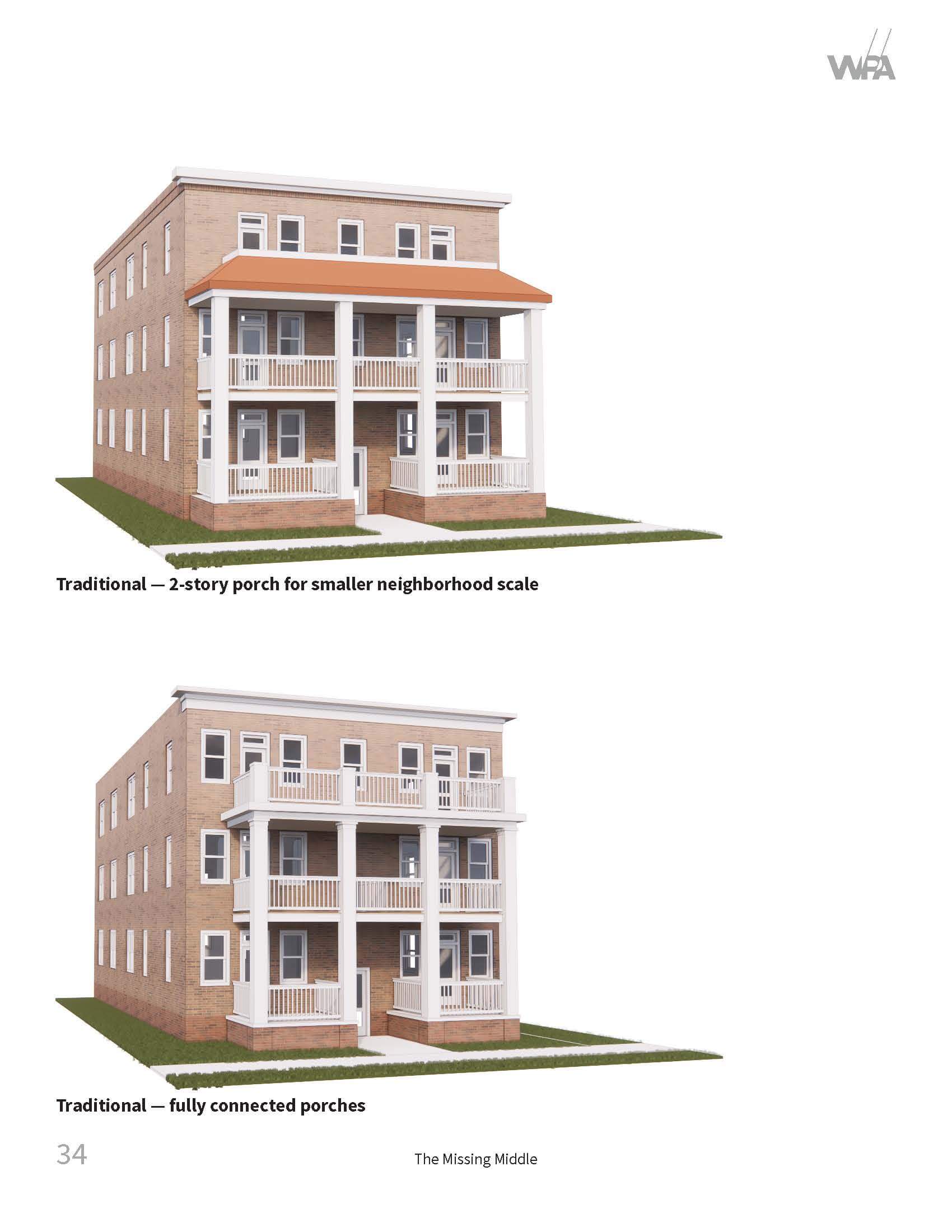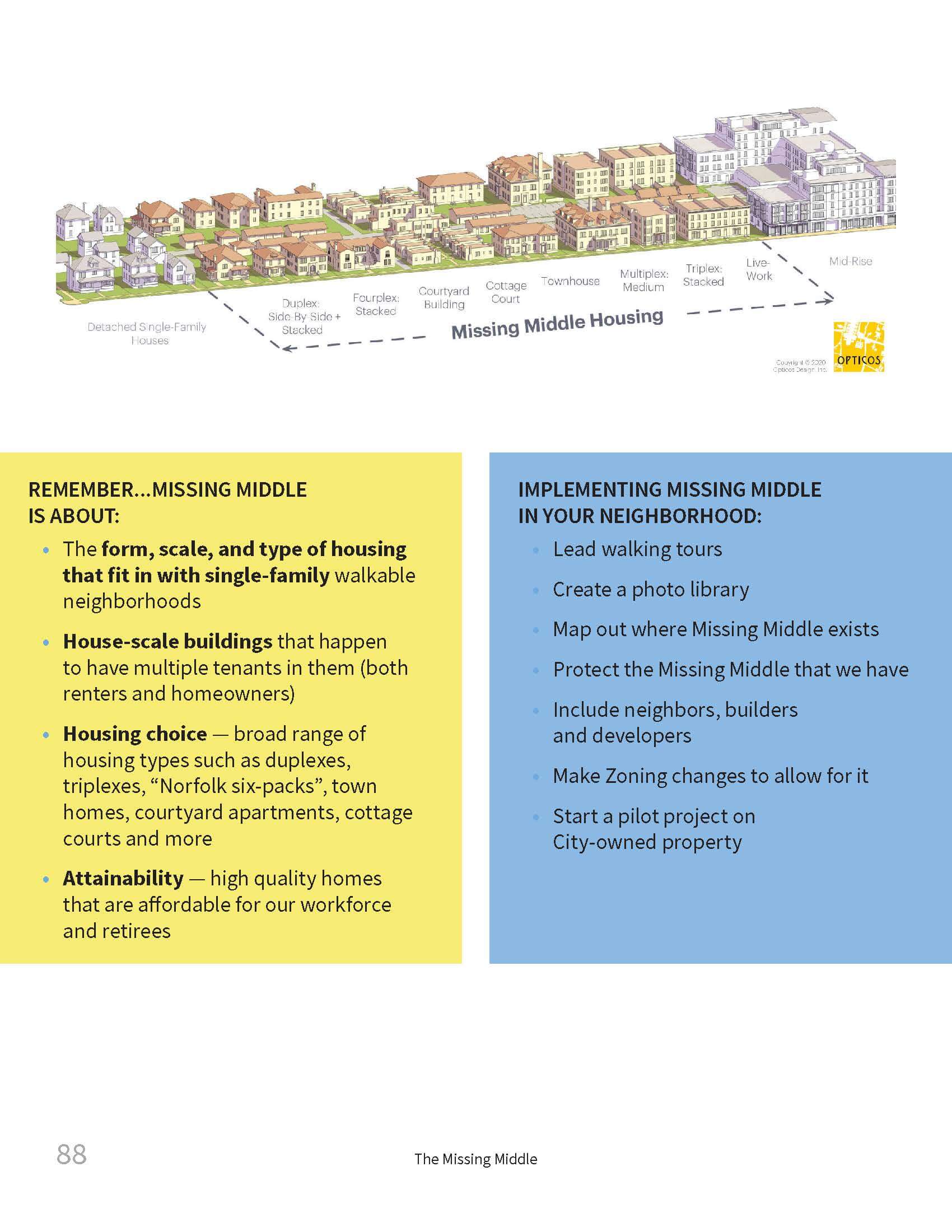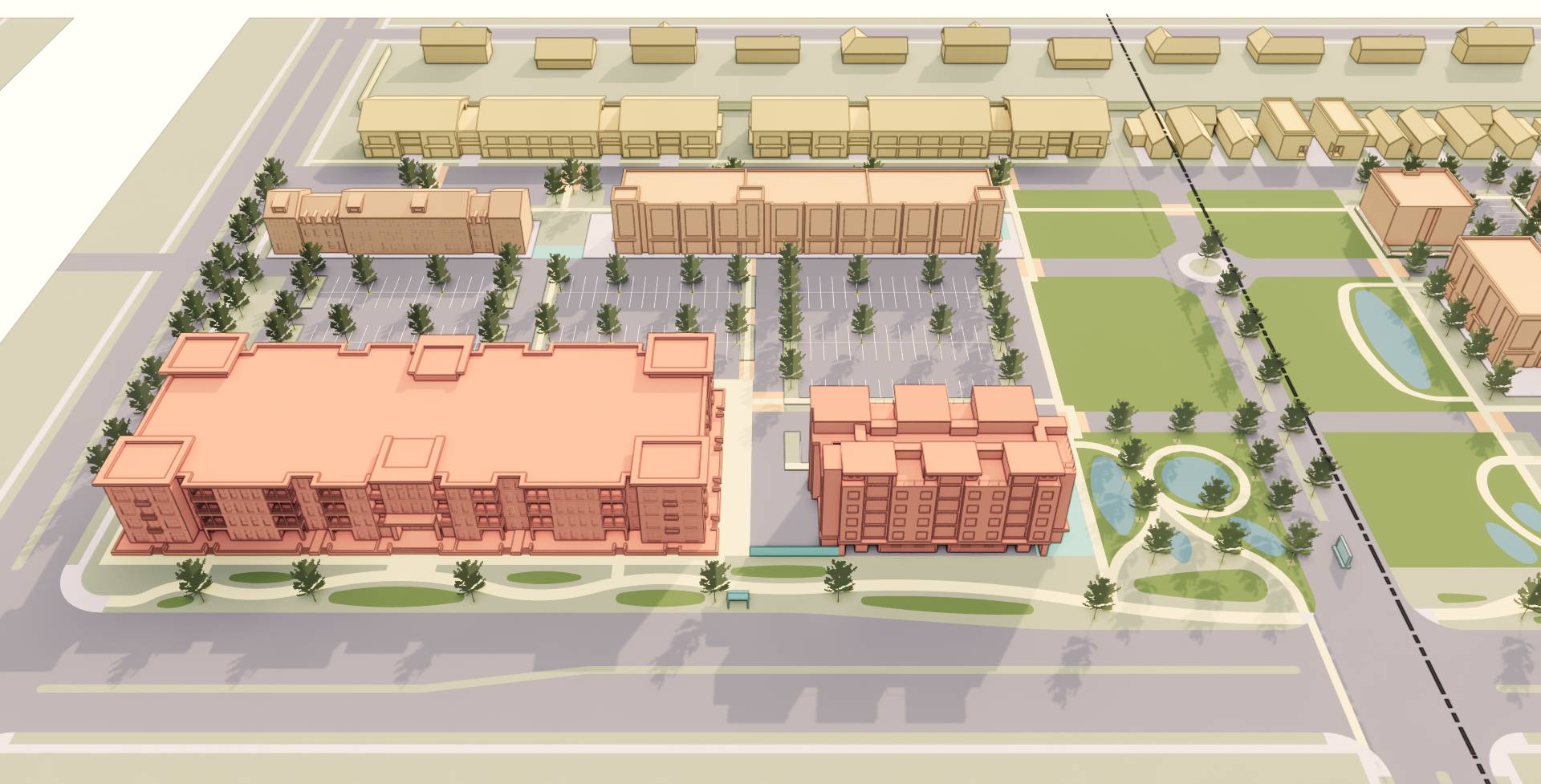
Something old is new again. Faced with a housing shortage, an affordability crisis, and changing demographics, Norfolk’s future housing solution might be found in its own backyard. Some of the city’s oldest neighborhoods feature a variety of neighborhood-scaled housing options—duplexes, four-plexes, and cottage courts—that flourished in the early 1900s but began to disappear in the 1960s with the rise of suburban development.
Conceived at a time when multiple generations lived in close proximity and people relied on streetcars rather than street parking, these traditional neighborhoods were built around walkable amenities such as corner groceries, theaters, and pharmacies. Today, this concept is being revisited as a contemporary solution for younger people burdened with college debt, baby boomers who want to age in place, the increasing number of single-person households, and those seeking to reduce reliance on automobiles.
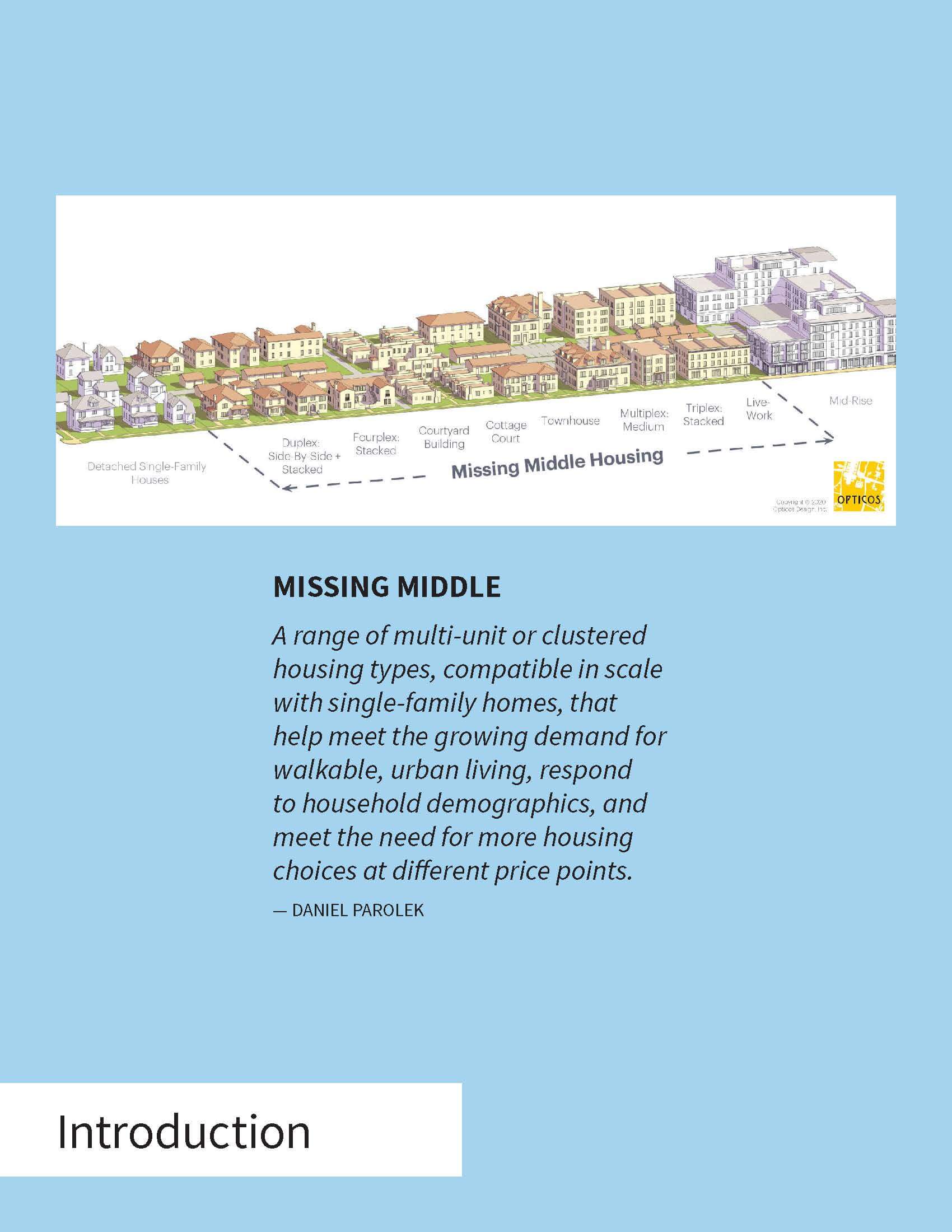
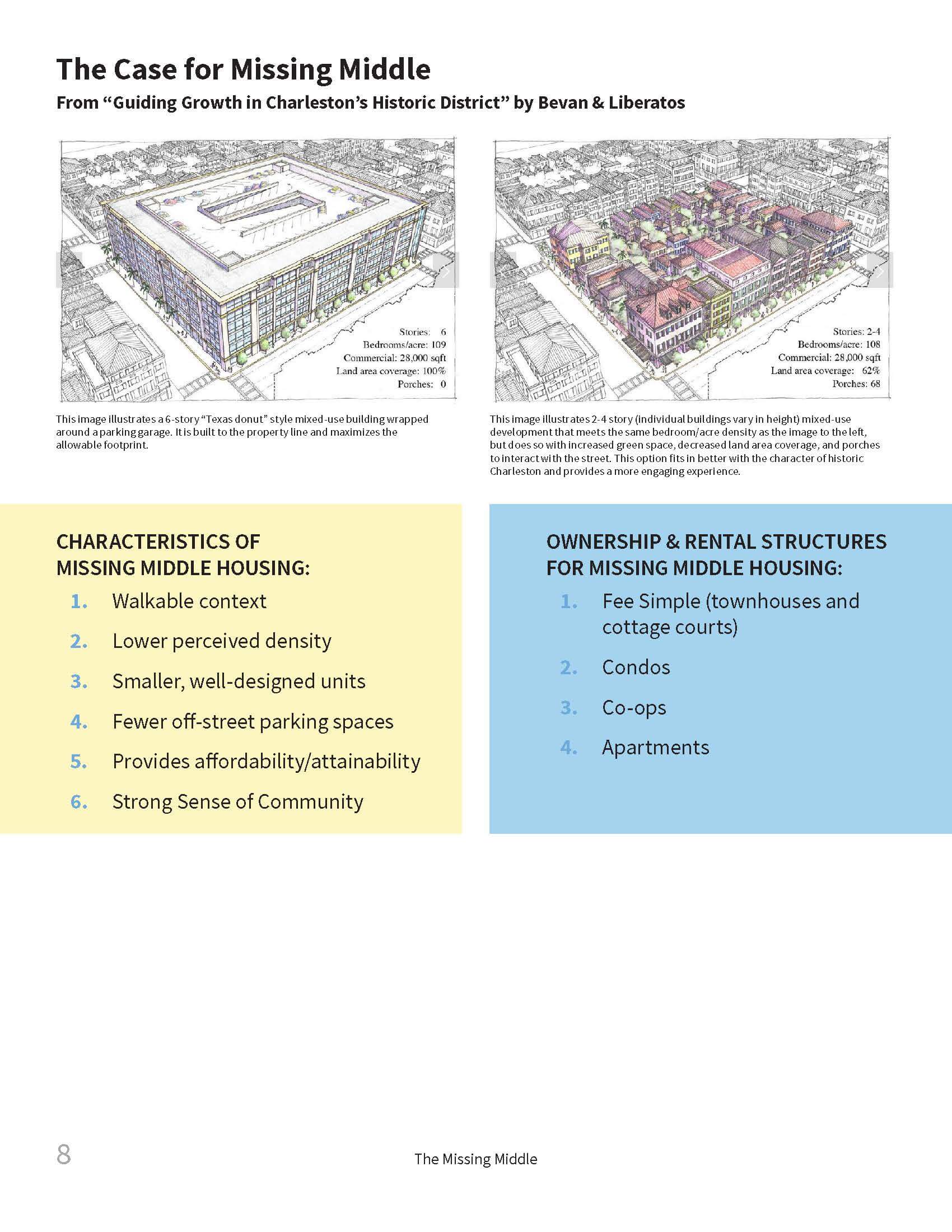
Norfolk’s plan aligns with a national movement to develop Missing Middle Housing, a term first coined in 2012 by Daniel Parolek of Opticos Design in Berkeley, California. The goal is to meet demand for walkable neighborhoods, offer housing at various price points, and respond to shifting demographics. Traditional zoning often requires large lots for single-family homes or consolidates lots for mid-rise apartment buildings—two forms that are incompatible in scale and fail to meet today’s housing needs. Missing Middle Housing bridges this gap, allowing for diverse ownership models and, most importantly, choice.
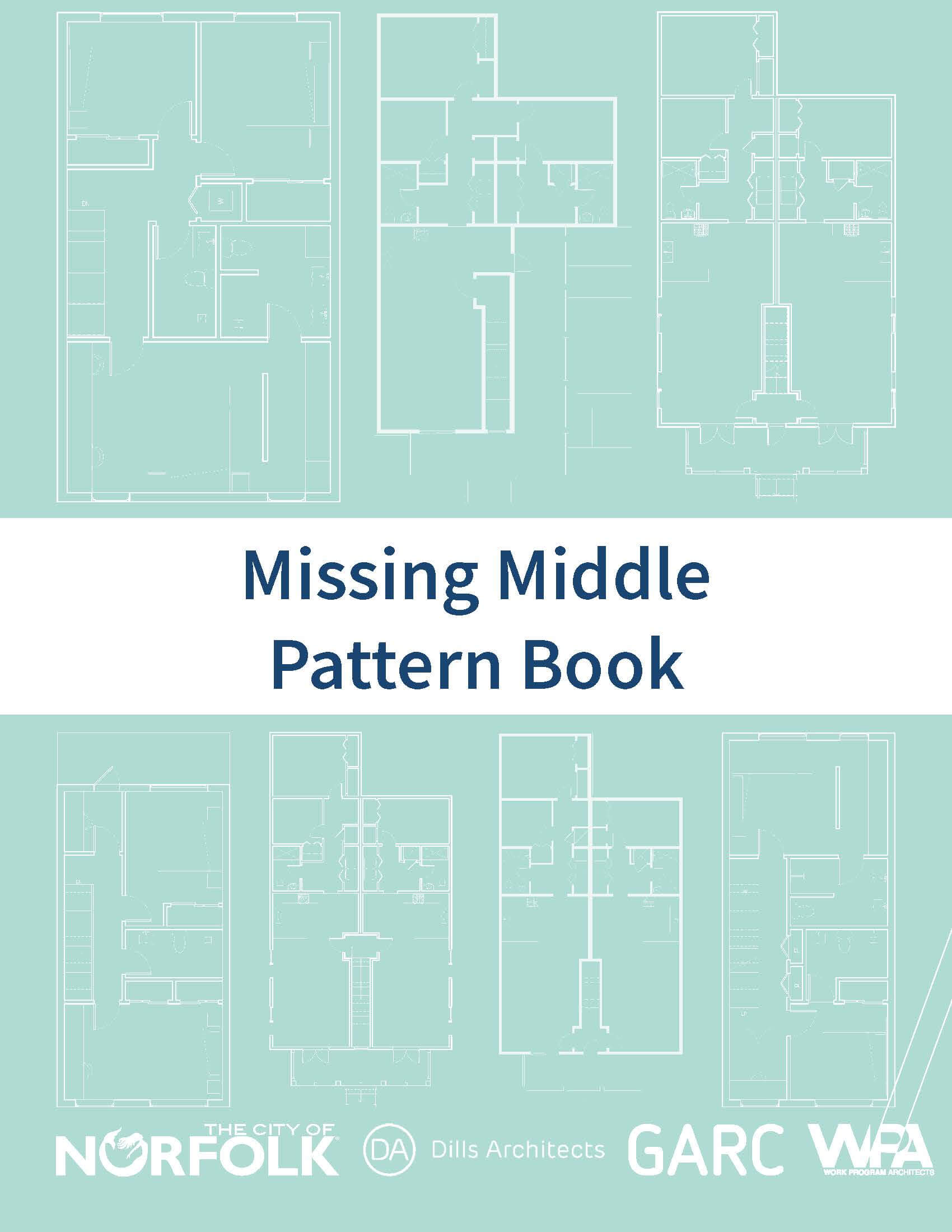
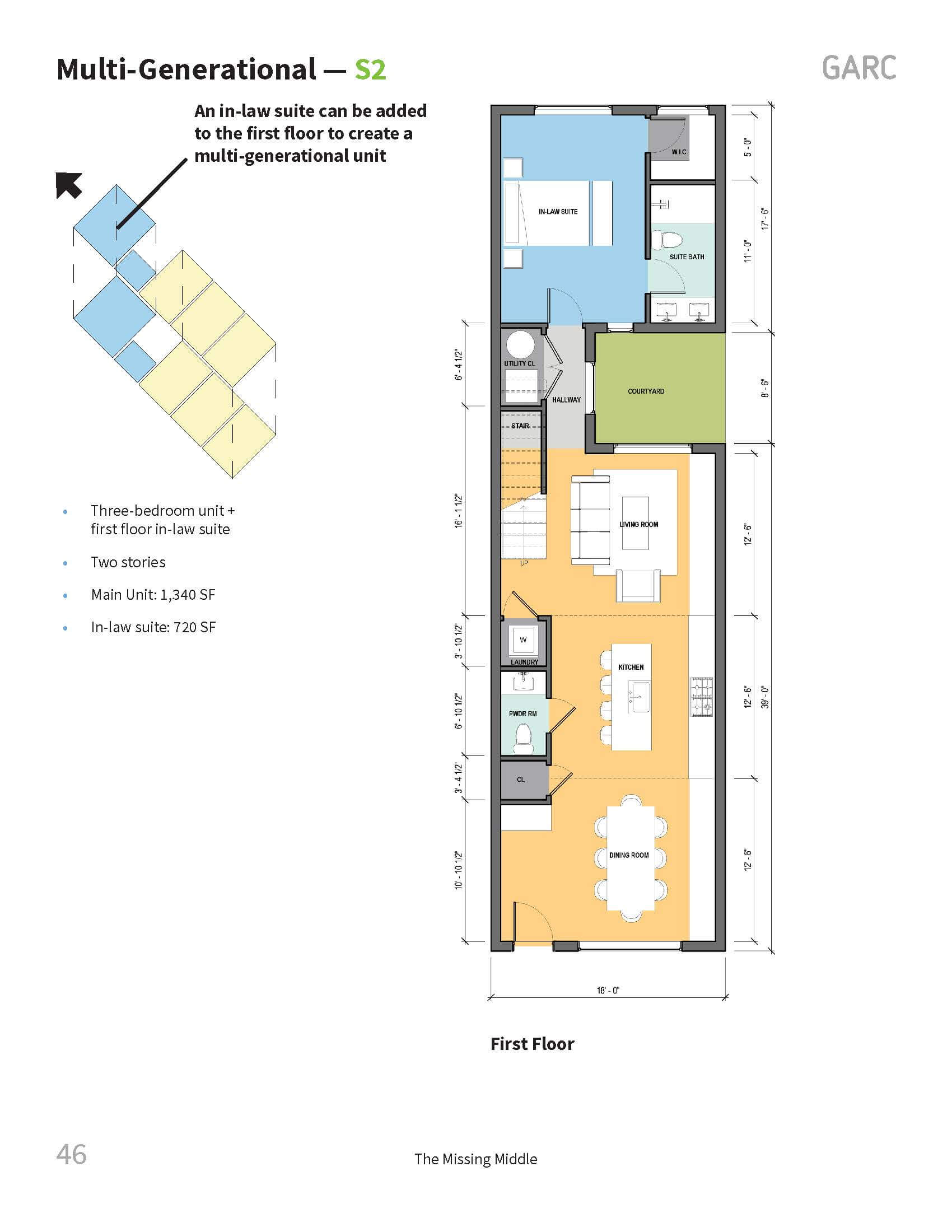
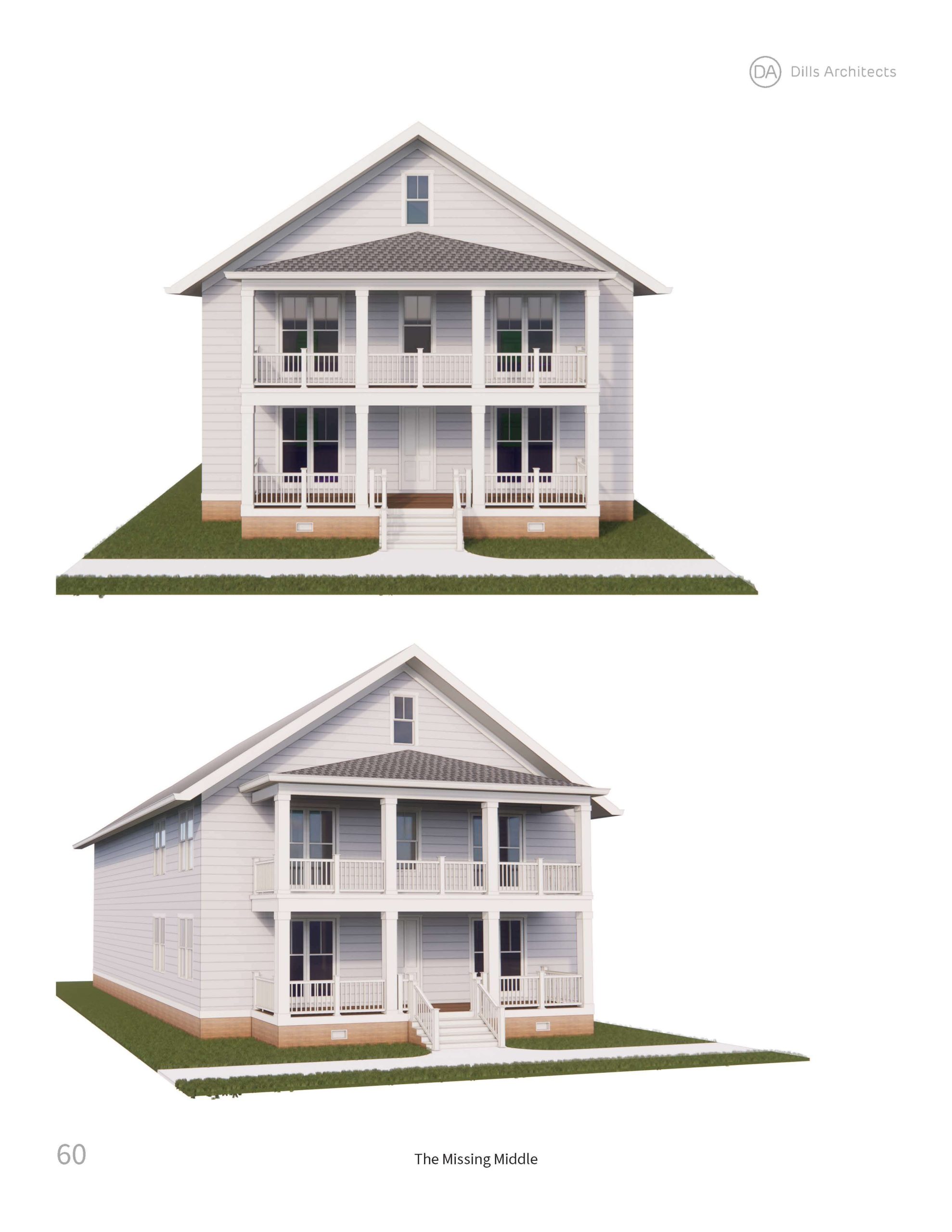
WPA collaborated with GARC and Dills Architects to develop a pattern book demonstrating how this approach can once again succeed. The book includes several pilot projects on vacant, city-owned parcels.
Unique Features of Norfolk’s Plan
- Expedited Entitlements Process – Public approvals streamlined through citywide outreach and presentations to the Architectural Review Board, City Council, Planning Commission, and neighborhood associations, reducing risk and timelines for developers.
- Pre-Approved Small-Scale Site Plans – A framework that simplifies the approval process.
- Free Building Plans and Renderings – Helping developers envision and implement new housing solutions.
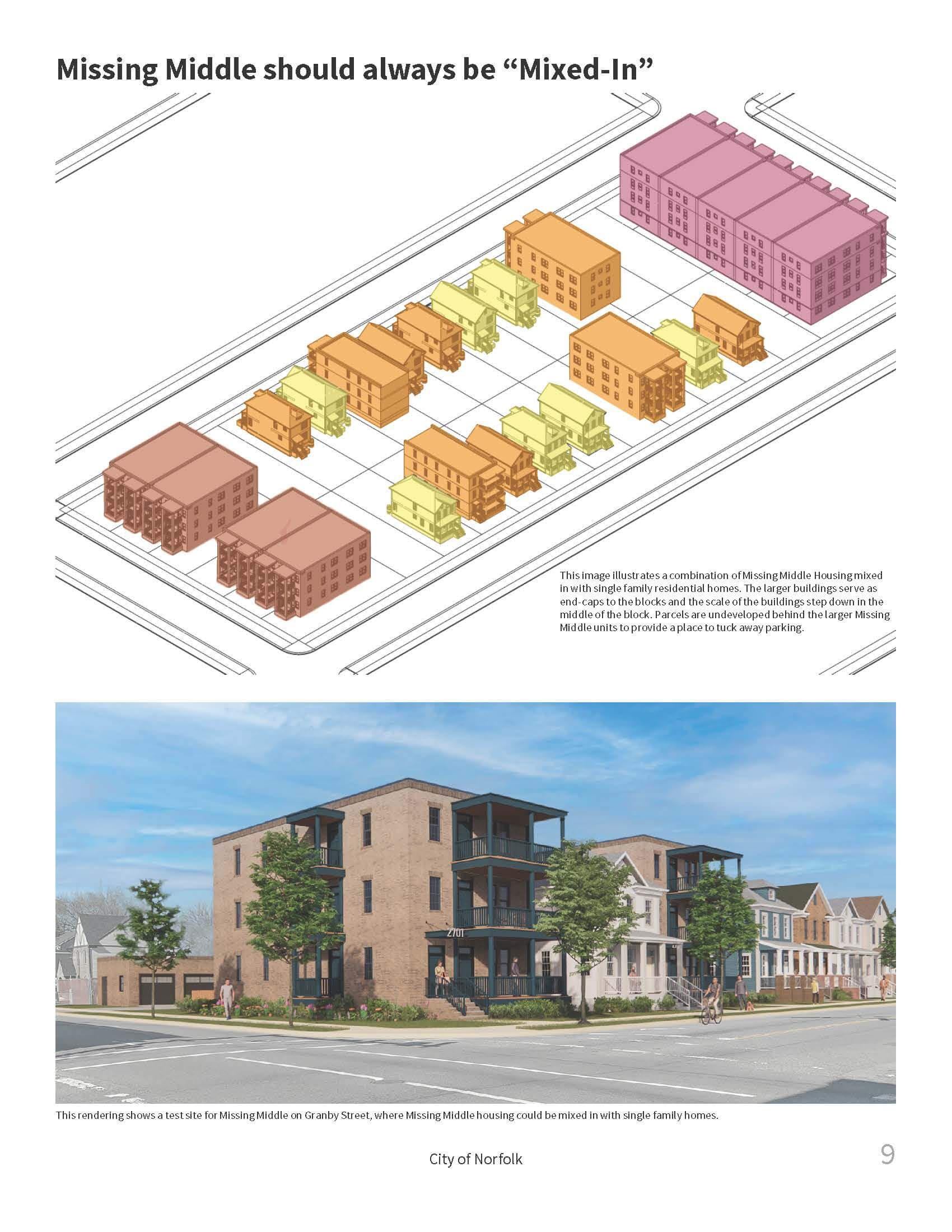
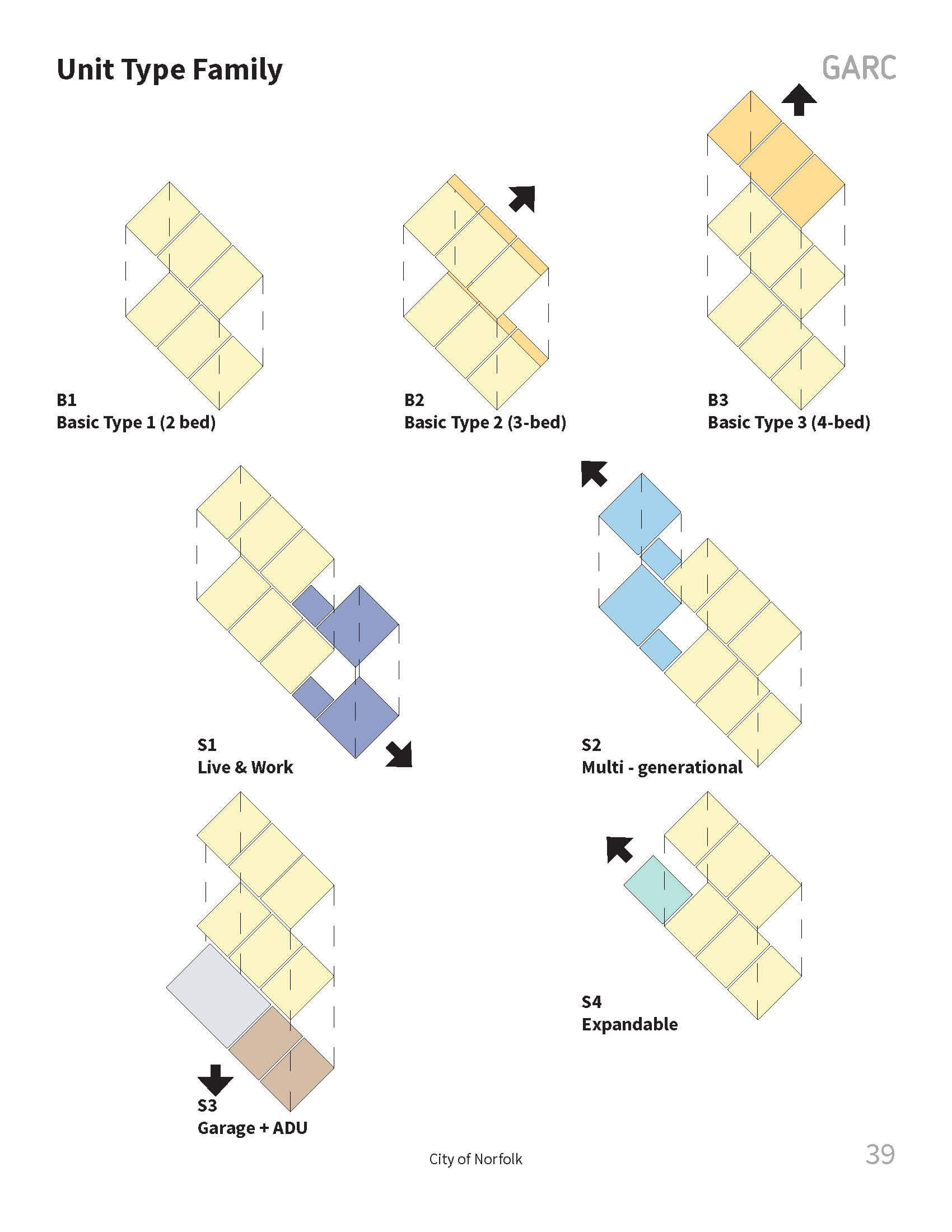
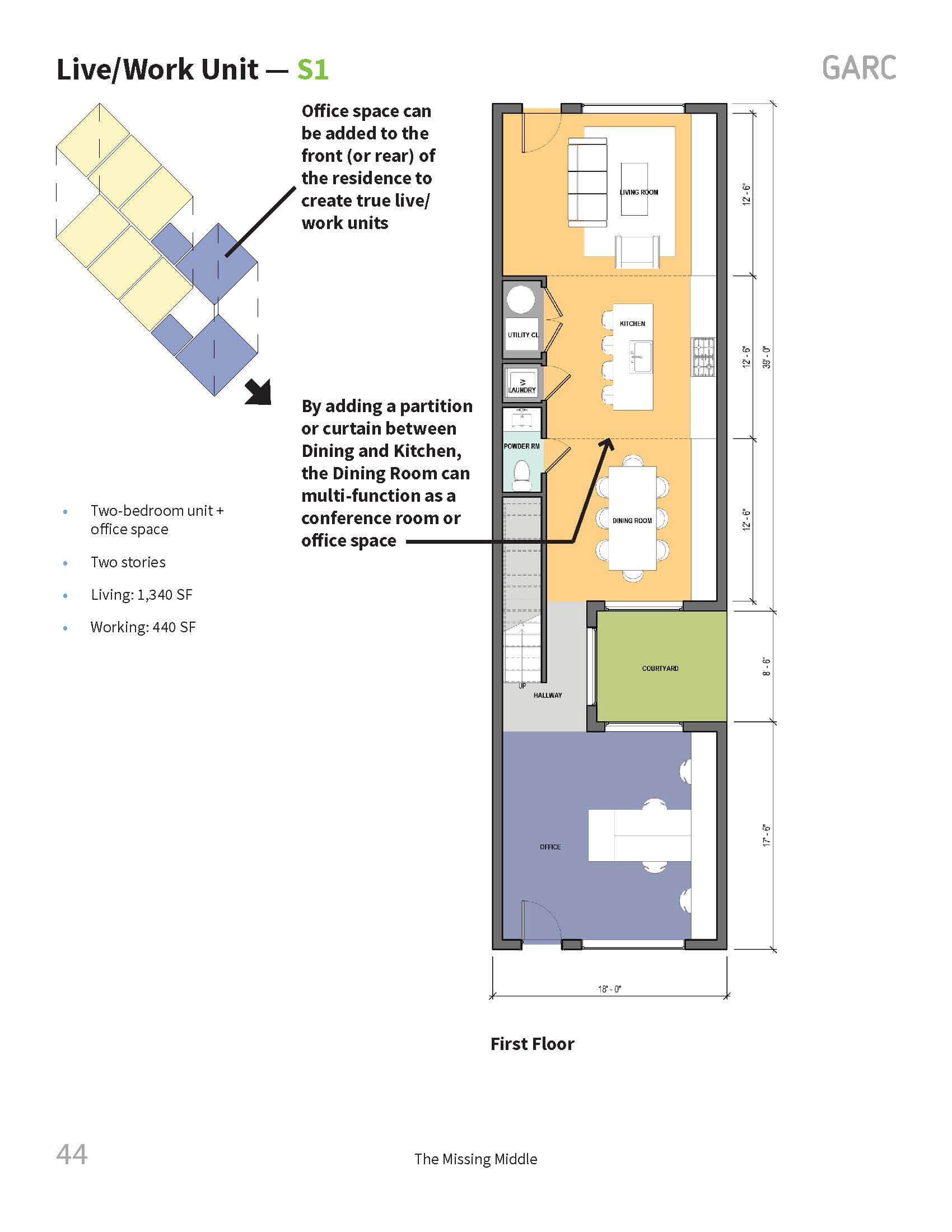
The pattern book provides both traditional layouts and modular components for units ranging from 600 to 2,000 square feet. These mix-and-match components allow developers to maximize unit diversity while ensuring context-driven solutions. Some layouts also support accessory dwelling units (ADUs)—ideal for families accommodating an elderly parent, a returning adult child, or a dedicated work-from-home space.
Missing Middle Housing borrows from the past to address today’s market-driven and environmental needs. It contributes to a rich neighborhood fabric while maintaining the flexibility to adapt to an evolving economic climate.