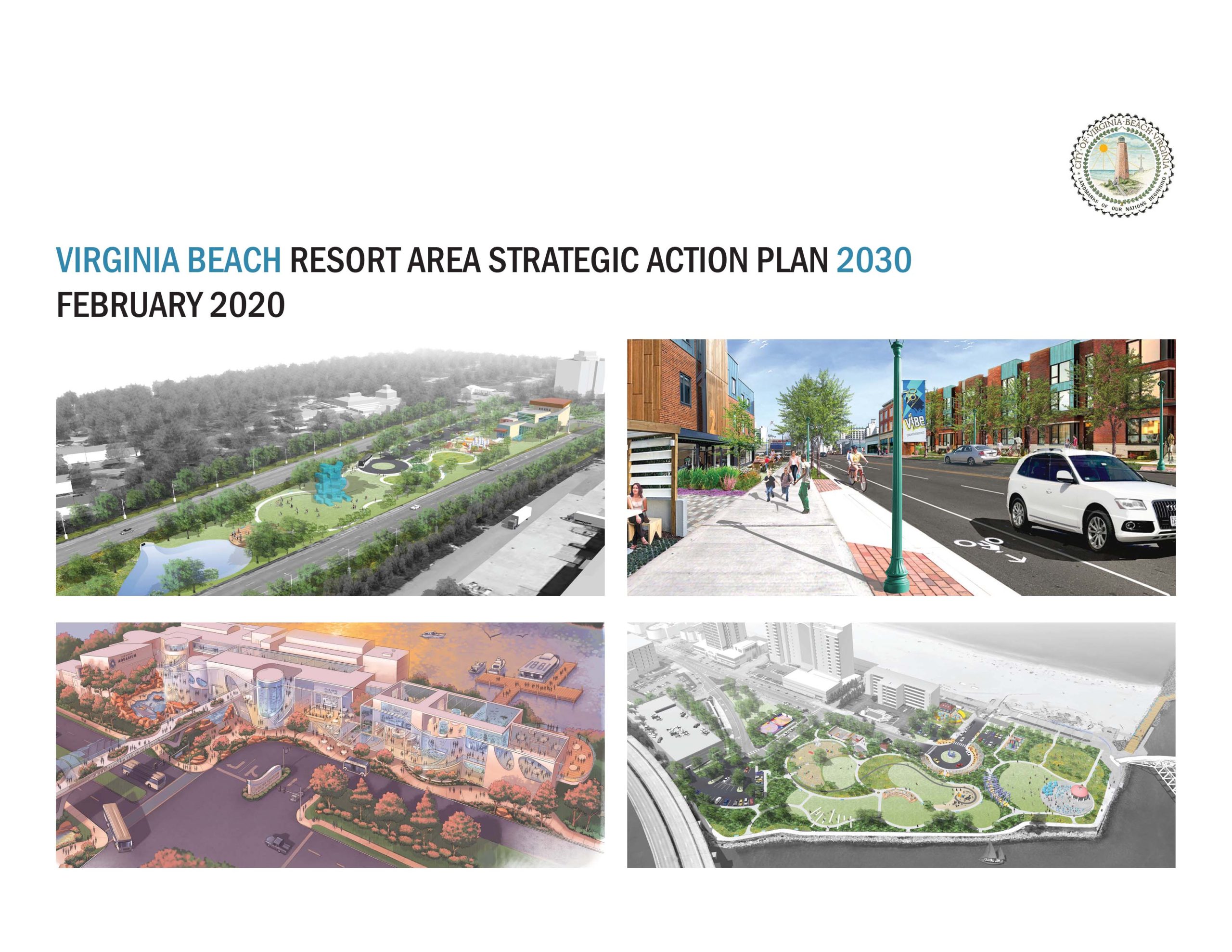
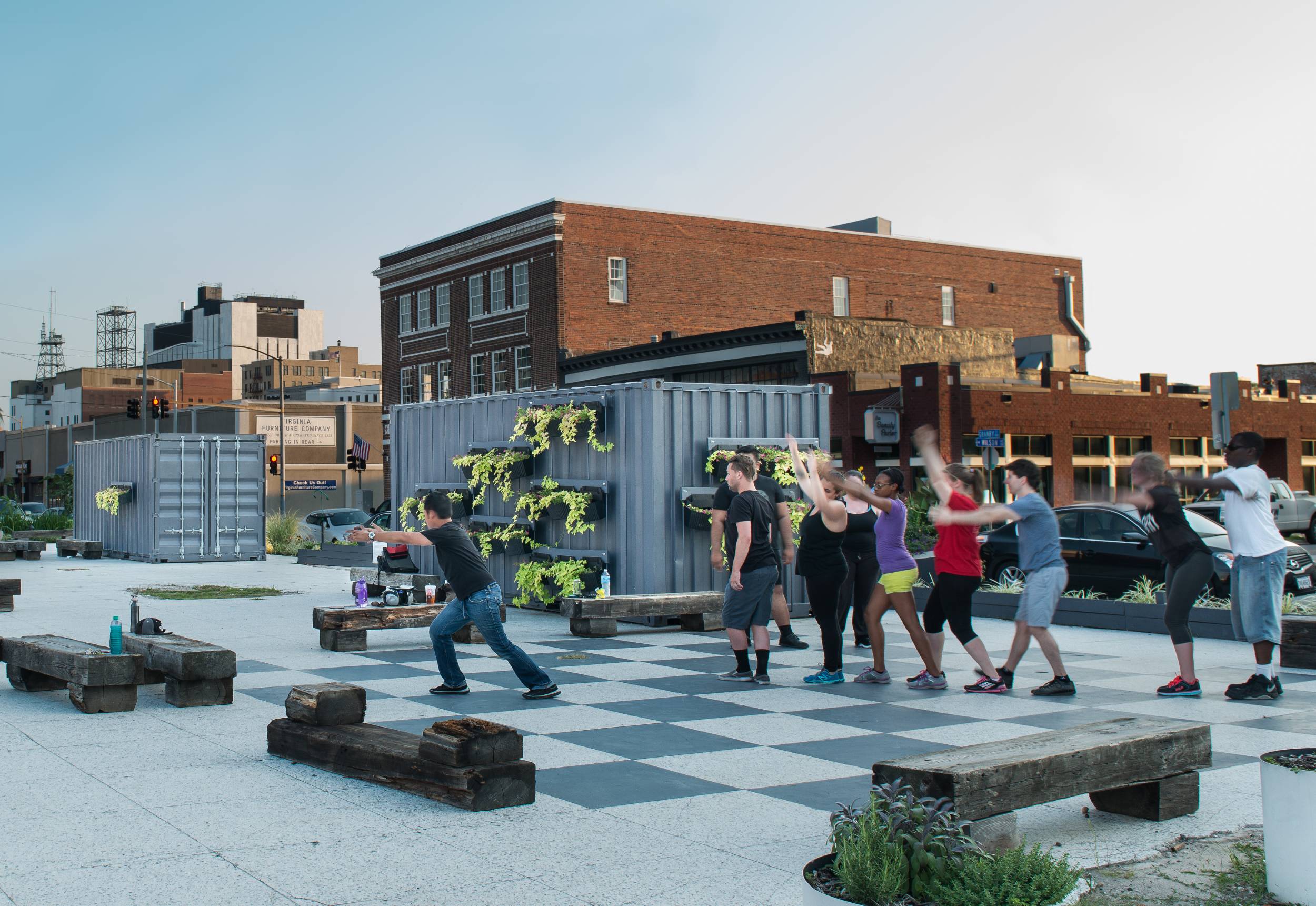
WPA worked closely with the City of Virginia Beach to develop a comprehensive Commercial Pattern Book aimed at making commercial and residential uses more compatible in neighborhoods. The project emerged from a 2020 general services contract and was completed in late 2022, coinciding with broader efforts around flood resiliency and community-driven urban planning. WPA’s role focused on urban design, planning, and facilitating community engagement to create actionable strategies for the city’s commercial corridors.
The initiative sought to address the unique challenges of Virginia Beach’s commercial districts, many of which were developed as standalone centers, designed primarily for vehicular access with limited pedestrian connectivity. The planning team conducted extensive existing conditions analyses, mapping all major commercial areas, and identifying patterns, constraints, and opportunities. This research informed the creation of three distinct commercial “character corridors”: Coastal, Inland, and the Air Installation Compatible Use Zone (AICUZ.) These character corridors are intended to function like overlay districts within specific areas of the city that share common characteristics. Some of these include zoning, density of development, and proximity to unique local geography like neighboring beaches and Naval Air Station Oceana.

Central to the project was engaging the community to ensure that redevelopment and planning strategies aligned with resident needs. WPA led multiple community workshops, gathering feedback on aesthetics, circulation, and functional connectivity between commercial zones and adjacent residential areas. This process informed corridor-specific recommendations, ensuring that development could respond to community priorities, such as maintaining neighborhood viewsheds, improving walkability, and incorporating design elements that foster compatibility with surrounding homes.
The final Pattern Book provides step-by-step guidance for developers, planners, and city staff, offering strategies for incremental redevelopment, aesthetic improvements, and site planning that promotes neighborhood cohesion. In addition to the pattern book, a “flood resiliency toolkit” was developed for residents to help provide unique approaches to stormwater management on an individual homeowner scale.
The Virginia Beach Commercial Pattern Book represents WPA’s commitment to thoughtful urban design, community engagement, and practical solutions that balance economic vitality with neighborhood compatibility. By providing a clear framework for redevelopment and design, the project helps ensure that Virginia Beach’s commercial districts thrive while remaining connected, sustainable, and resilient.