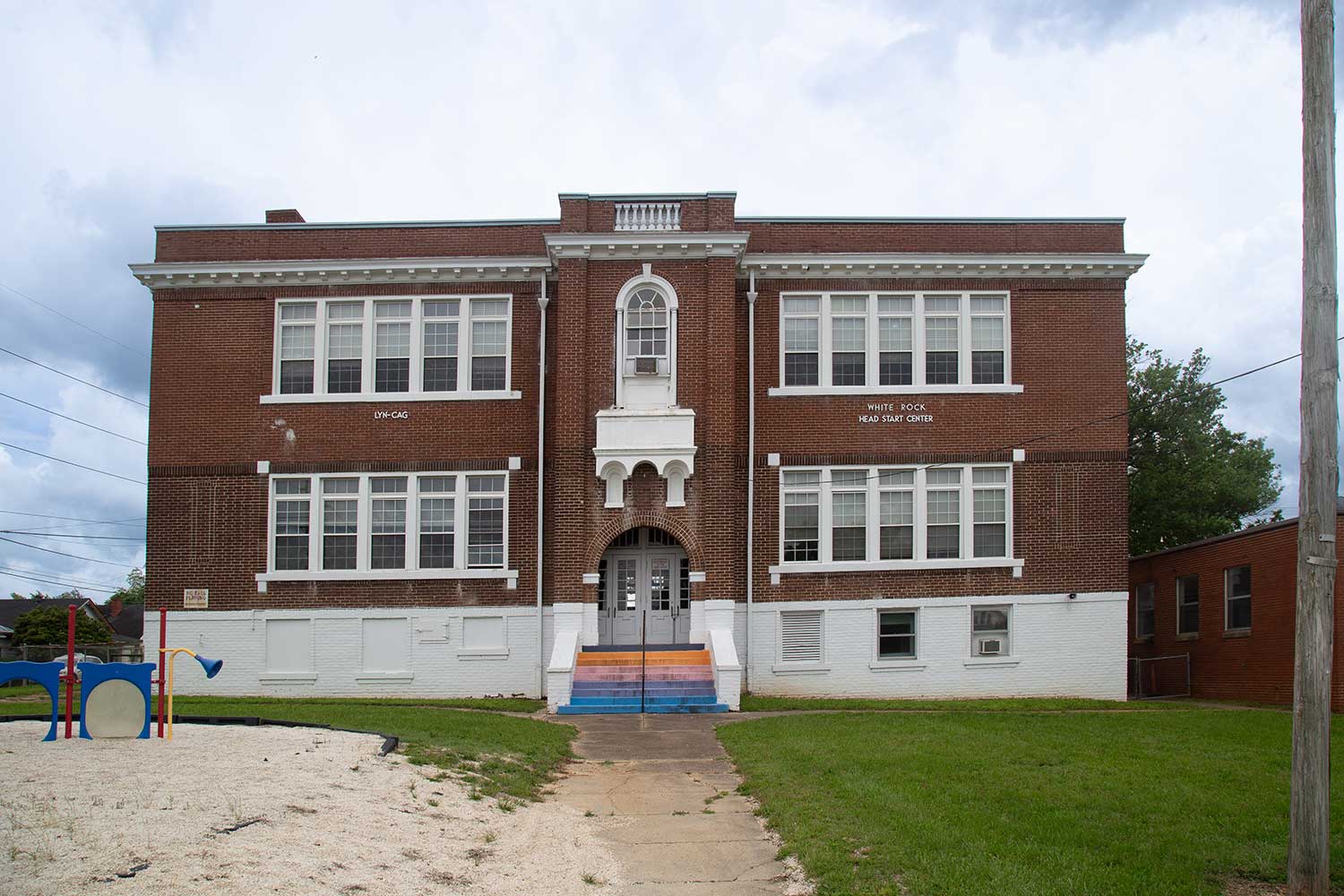
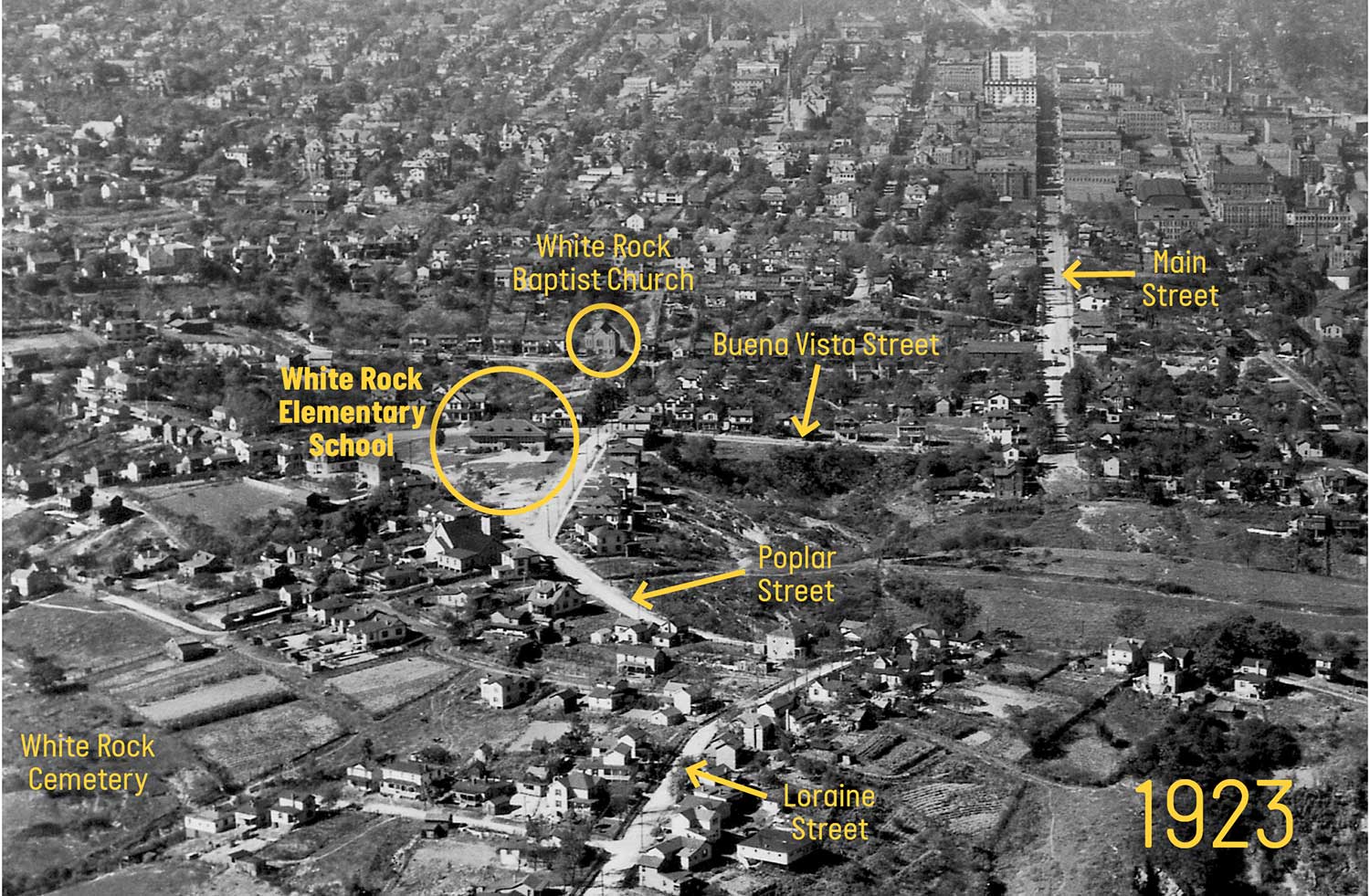
The White Rock Community Hub is an adaptive reuse and urban design initiative in Lynchburg, Virginia, that seeks to breathe new life into an existing structure, turning it into a vibrant, multi-use space for the White Rock neighborhood. The now-vacant building, constructed in 1912, served as the neighborhood’s elementary school for many decades and was most recently the headquarters for the Lynchburg Community Action Group’s Head Start programming.
Initiated by the city and shaped by direct feedback from local residents, the Hub is being designed to meet the community’s needs for safety, education, recreation, and connection. Work Program Architects has led the project’s urban design, architecture, and community engagement efforts, using an intentionally immersive, hands-on process.
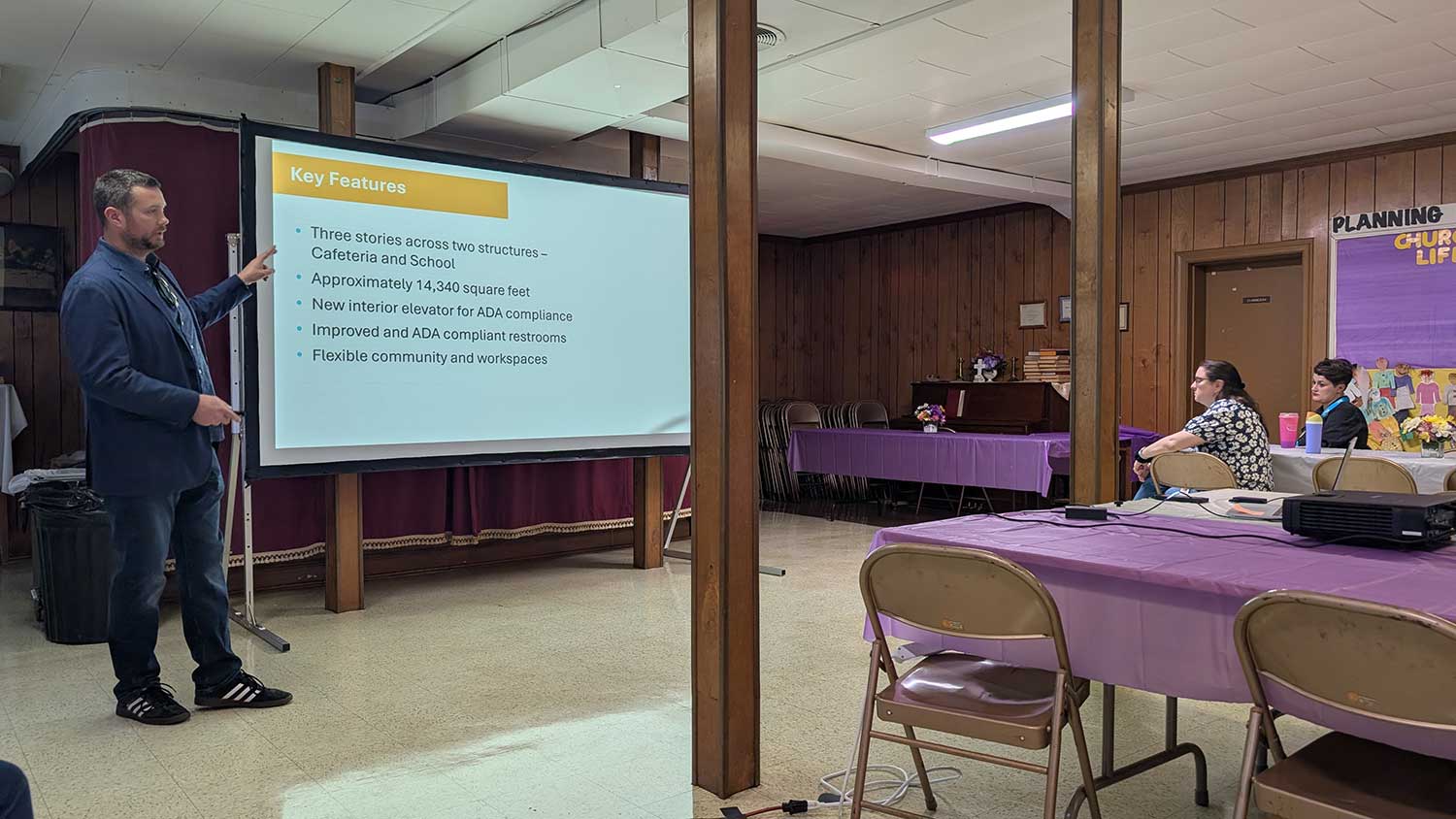
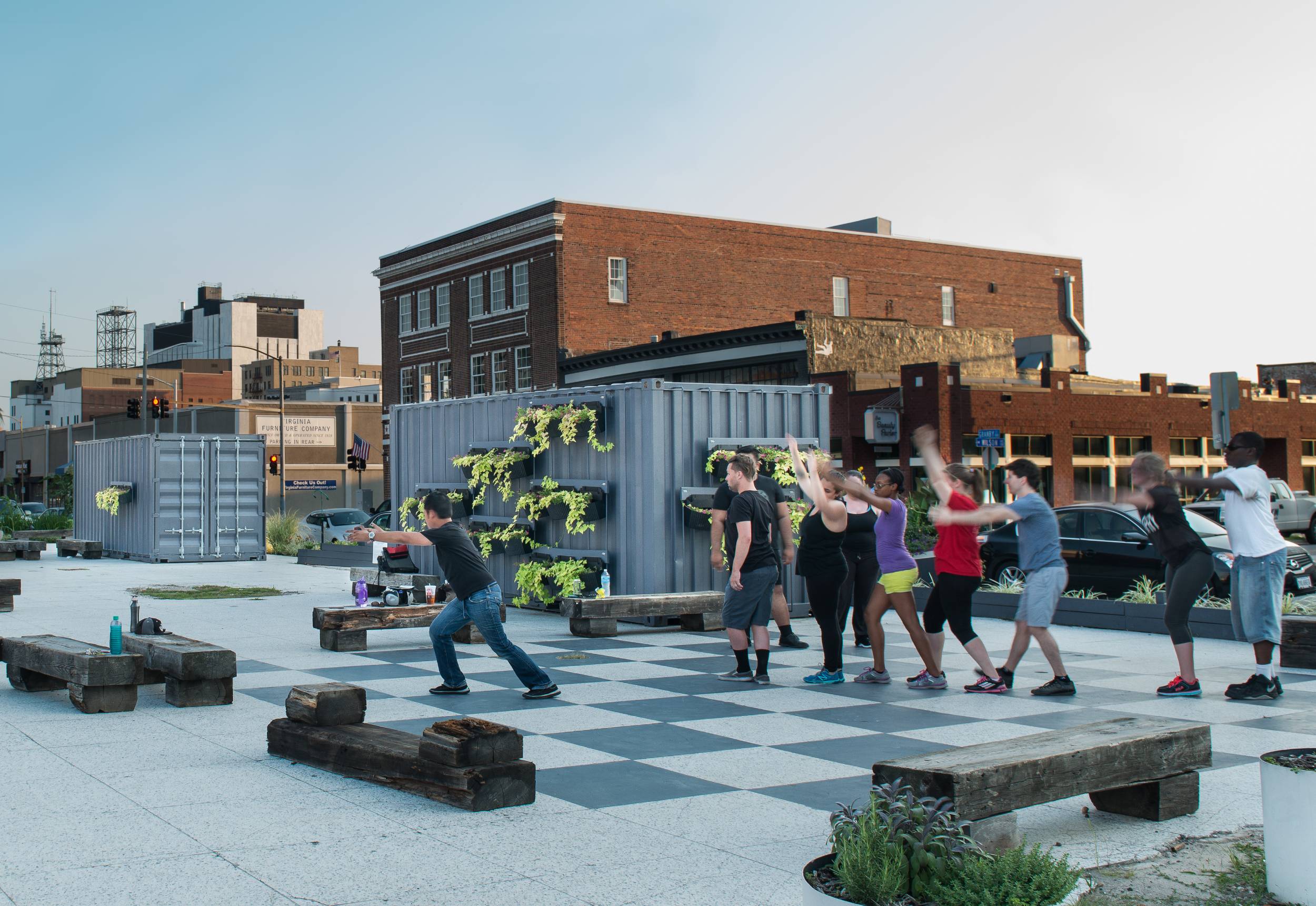
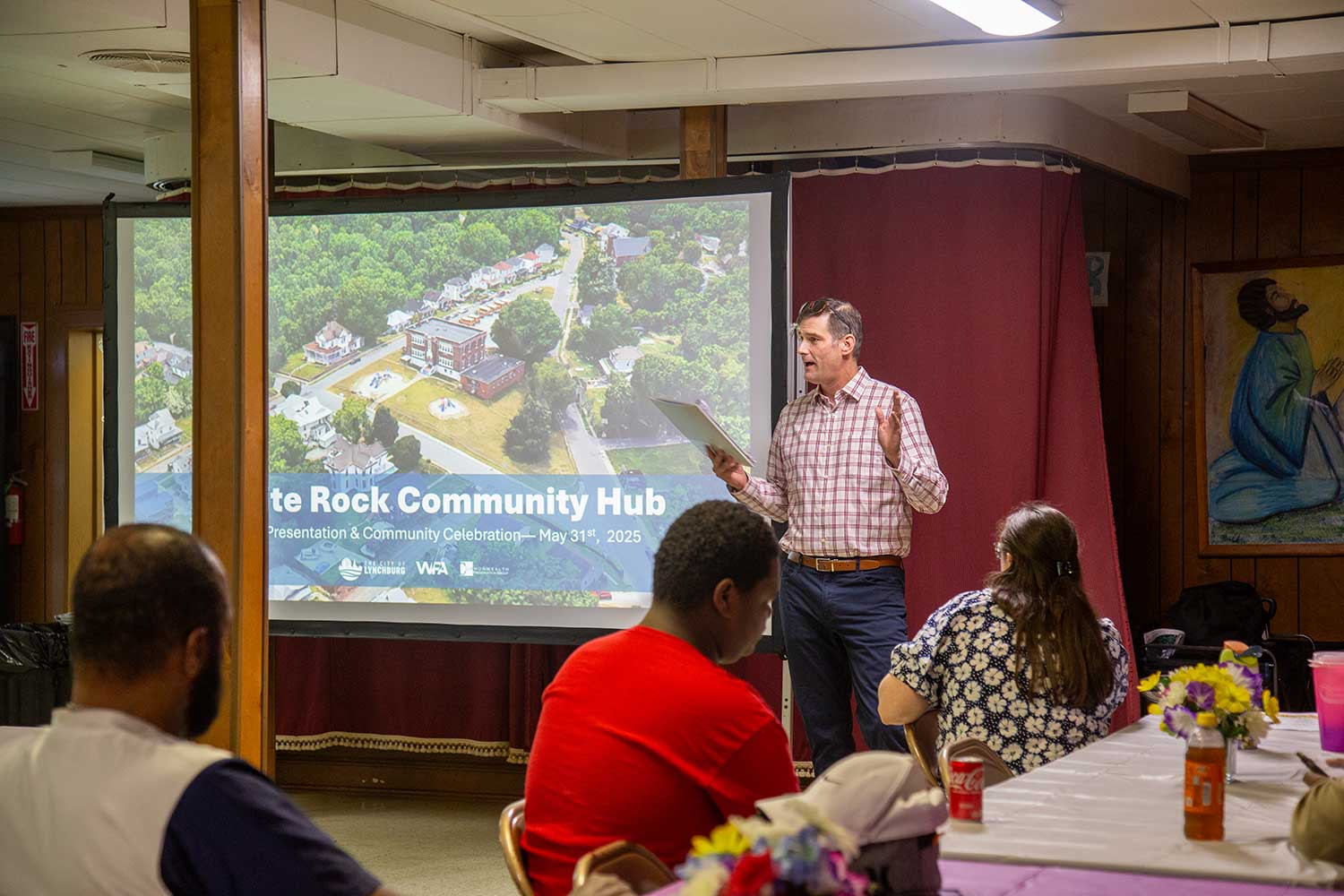
The WPA team went door-to-door, met residents at barbershops, restaurants, and community spaces, and invited broad participation through a series of dynamic workshops. To help community members visualize possibilities, WPA 3D-scanned the existing building and created a digital model that allowed them to show, in real time, how different services, programs, or business uses could fit within the space, including through a Pitch Day session where local organizations presented their ideas.
Throughout this process, WPA gathered feedback, answered questions, and translated community dialogue into a report outlining proposed options for the building and surrounding landscape. These recommendations now form the foundation for the project’s next phase.
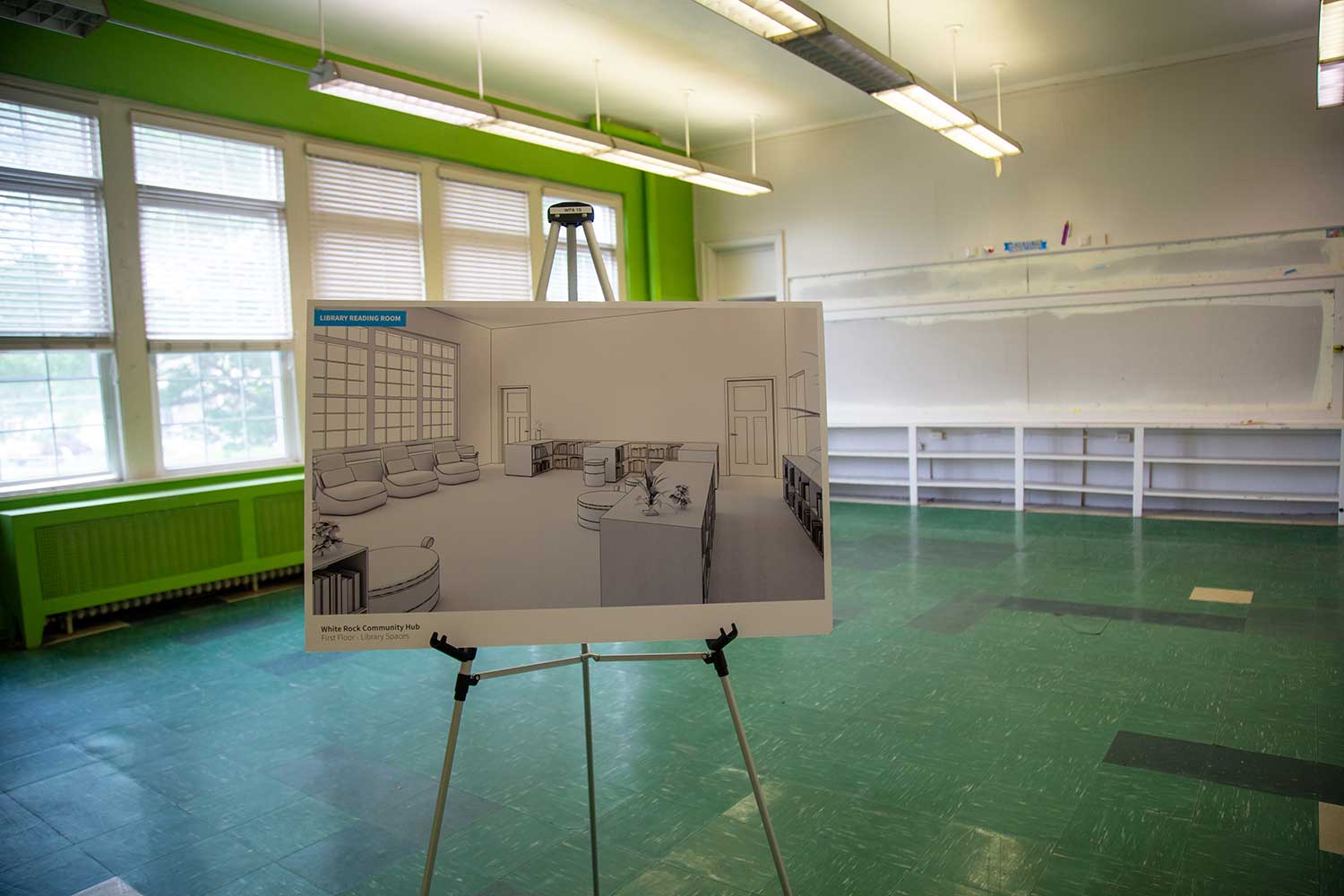
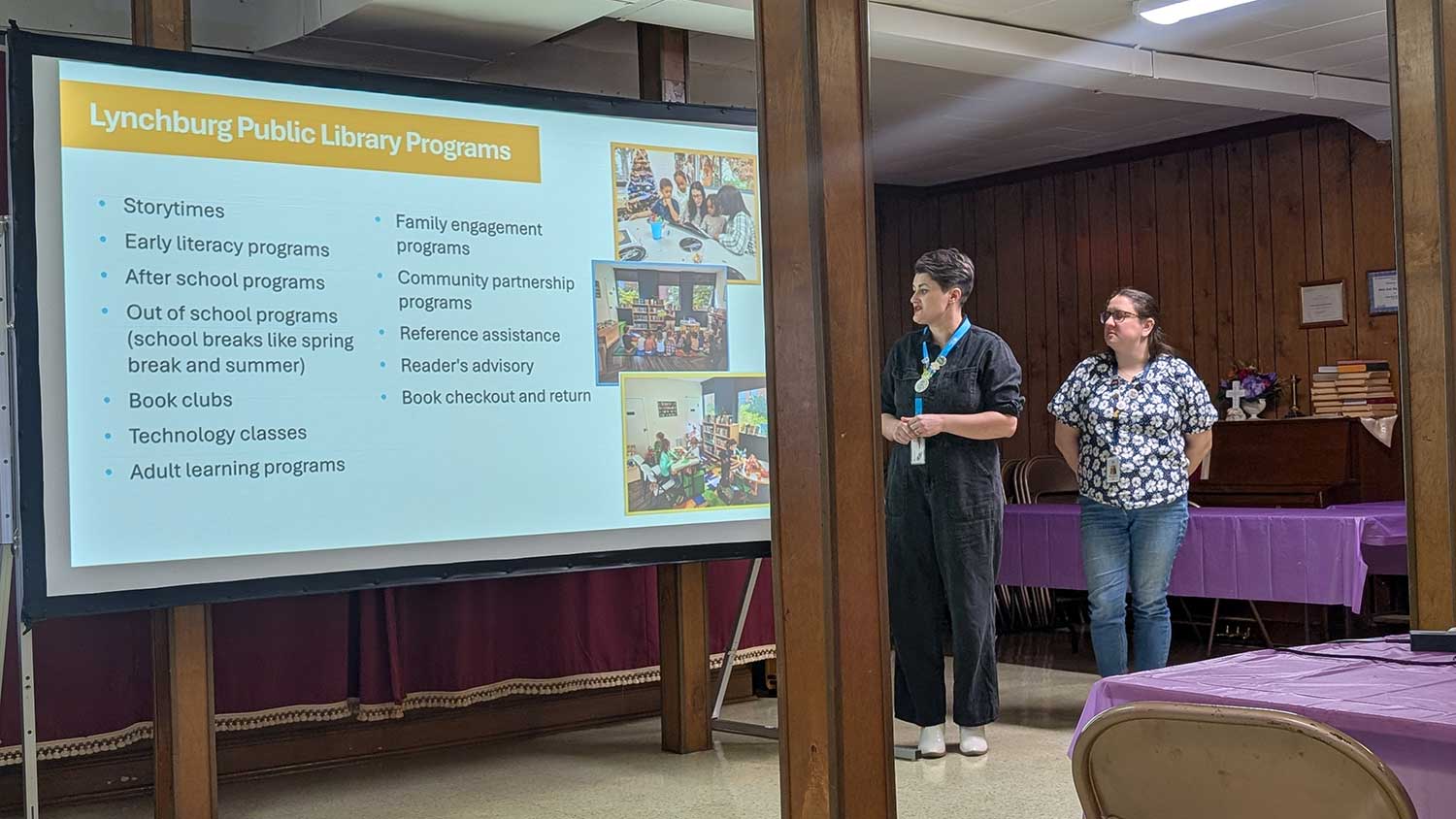
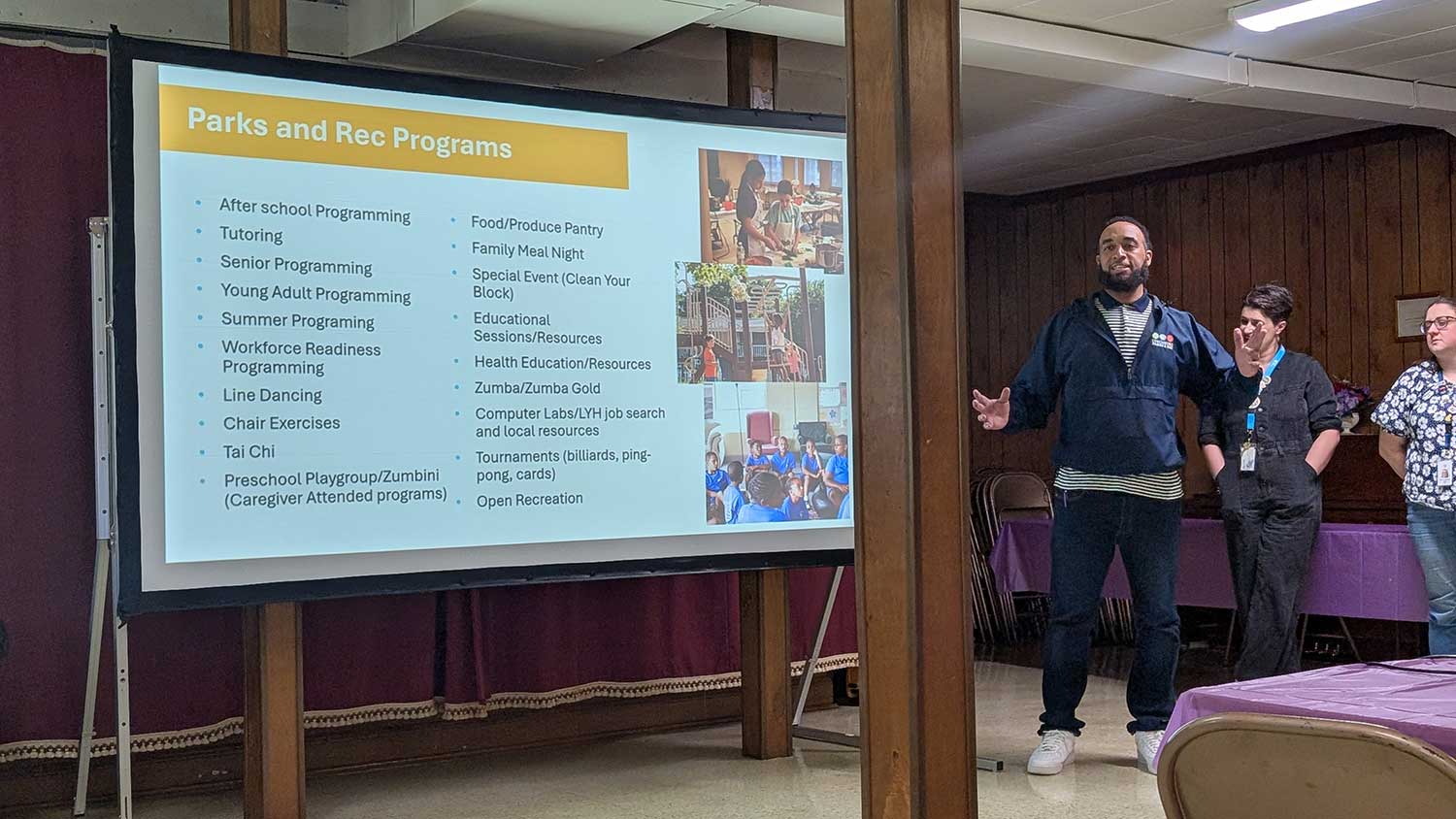
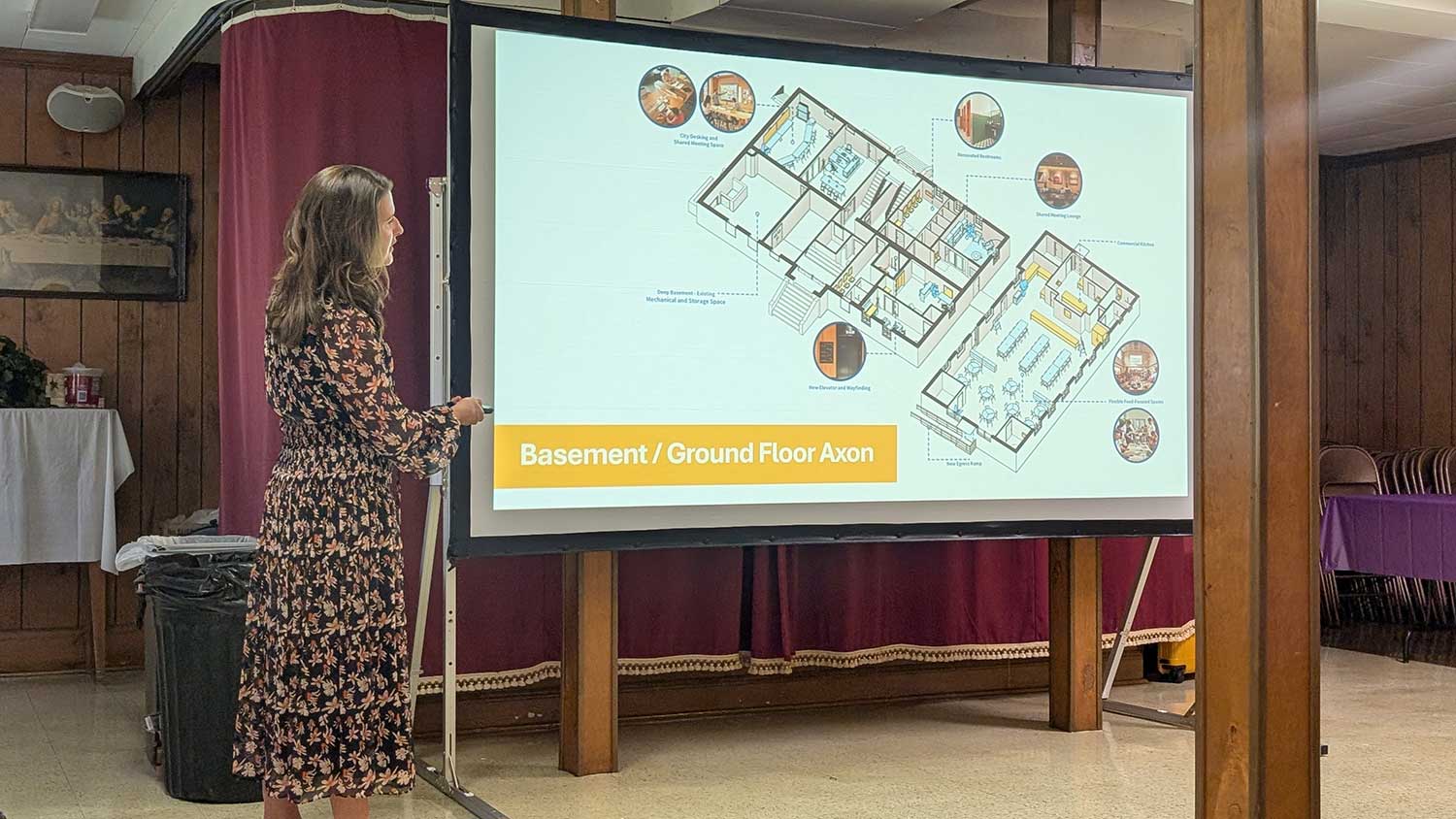
As currently envisioned, the ground floor will house essential city functions, including a branch of the Lynchburg Public Library, offices for Parks and Recreation, and a police substation. These services were identified as crucial by local residents. Their inclusion in the project will make it easier for residents to access programs, events, and services that were previously spread out across the city. The police substation was added in response to a community request about increased safety, providing a point of contact for residents who wish to engage with law enforcement.
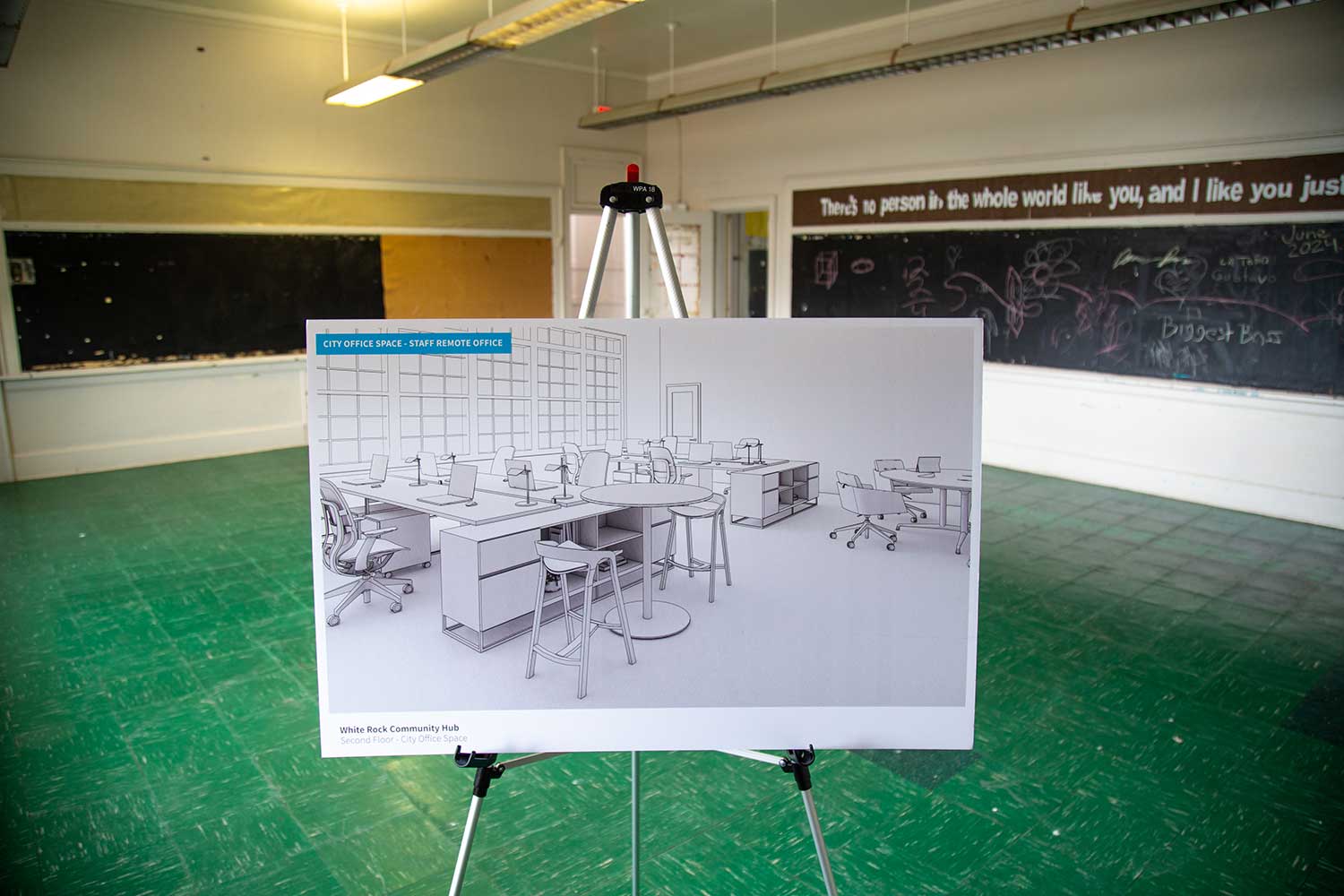
The second floor concept offers a more flexible, collaborative environment. The space is being designed to accommodate a variety of functions, from offices for nonprofit organizations to shared co-working spaces. It is intended to be a place where individuals and organizations can work side by side, sharing resources and knowledge to strengthen the fabric of the neighborhood.
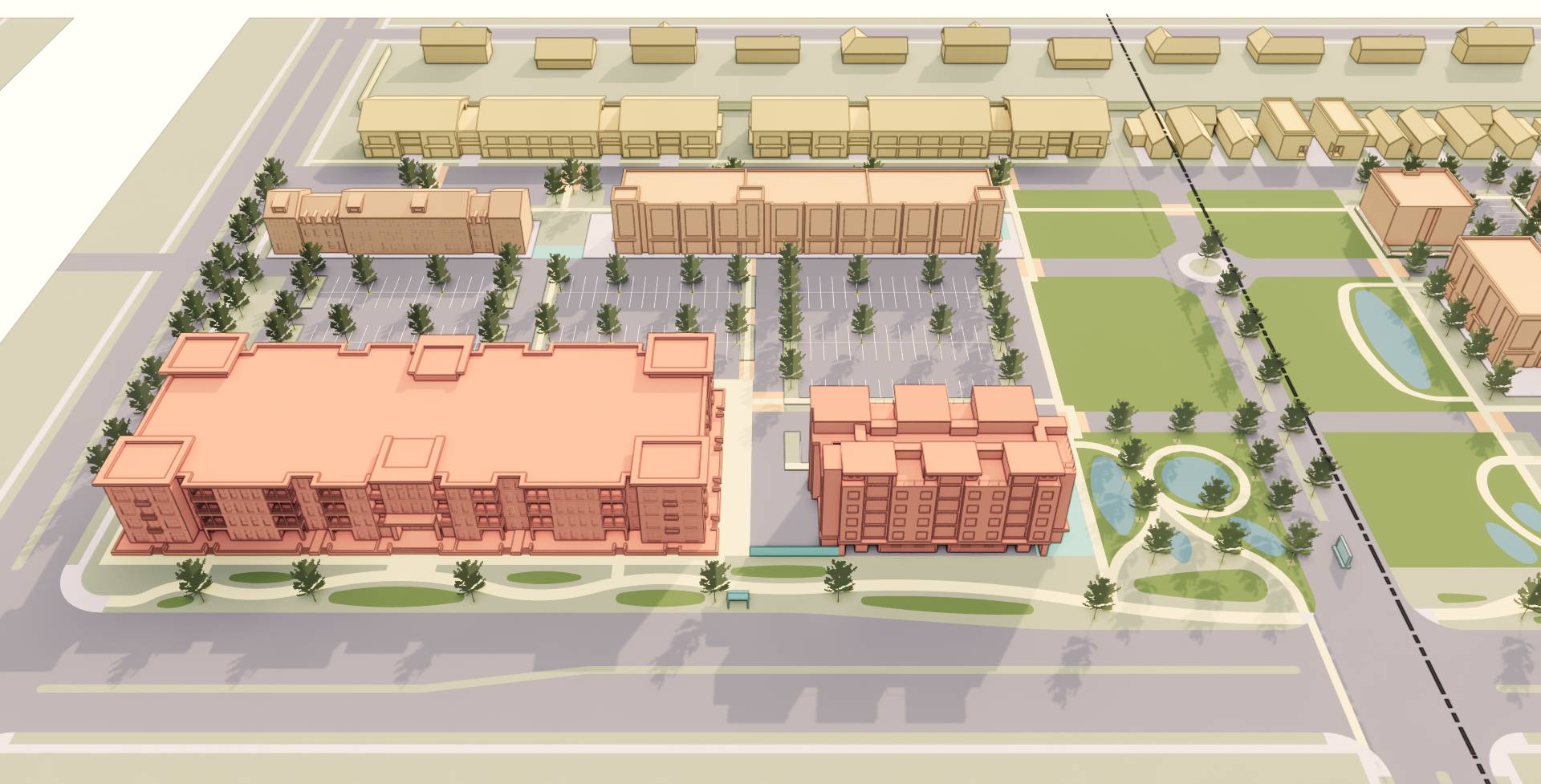
The surrounding site design has also been incorporated into the larger vision. Preliminary designs of outdoor spaces include playgrounds, a basketball court, walking trails, yoga areas, and a community garden — all selected based on resident input and emphasizing wellness and recreation as key components of community life.
The building is in good condition, meaning that most updates can be done through finishes and furnishings. This approach aligns with the Secretary of the Interior’s Standards for Rehabilitation and positions the project to pursue historic tax credits. By renovating and repurposing the building rather than demolishing it, the project will reduce environmental waste and preserve community resources. The building will also house a community kitchen that will utilize existing equipment in the former school cafeteria, reducing the cost and waste associated with replacements.